11 More Hidden Gems in Europe You Need To Visit In 2026: Part 2
If you loved discovering the underrated places I shared in Part 1 of my Hidden Gems in Europe series, you’re in for even more inspiration.
From gorgeous, off-the-beaten-path beach spots, stunning mountain escapes and fairy tale towns you’ll wish you heard of sooner, these destinations deserve a spot on your bucket list just as much as the classics and more popular spots, maybe even more.
Here are 11 more hidden gems in Europe that prove the most popular destinations aren’t always the best ones to visit.
If you missed Part 1 of my guide to the best hidden gems in Europe, you can read it here.

This post contains affiliate links. If you make a purchase using one of these links, then I may receive a small commission at no extra cost to you. I really appreciate your support, as this is how I keep my content free <3
1. Jajce, Bosnia and Herzegovina
Around a 2-hour drive north of Sarajevo, this small historic town of Jajce is home to Pliva Waterfalls and Pliva Lake. It’s truly a unique place that feels like you’ve stepped into a fairy tale.
The spectacular 25-meter waterfall is the main attraction, uniquely located in the heart of the town, where the Pliva River meets the Vrbas River.
If you’re after an adrenaline-filled activity, you can zip wire across them or admire them from the top or bottom.
Pliva lakes with the historical water mills and the Love bridge that are just a 5-minute drive from the town, and are one of the most peaceful and relaxing places we’ve spent the night.
Top tip: Don’t pay to go on the viewing platform for Pliva waterfall; the free view from the top is much better.
It’s perfect to combine with a trip to Mostar in Bosnia, which you can find in part 1 of Europe’s hidden gems.


What is the best time to visit Jajce?
The best time to visit Jajce is from May to September, when the weather is warm, the famous waterfall is at its most impressive, and the lakes around Pliva are perfect for swimming, kayaking and relaxing. July and August are the busiest months, but the atmosphere is lovely, and everything is open. Spring and early autumn are ideal if you prefer quieter streets, cooler temperatures and fewer crowds.
I visited Jajce in the spring, and the weather was lovely and warm, but it did rain a bit, so keep this in mind.
Where to stay in Jajce?
Jajce is small and walkable, so you can’t really go wrong with location, but the best areas are near the Old Town or close to Pliva Lakes. Staying near the Old Town means you’re just a few minutes’ walk from the fortress, waterfall, and main restaurants. Around the lakes, you’ll find cosy cabins and guesthouses with beautiful scenery. Popular options include Hotel Stari Grad, House Jelena, and Pliva Lakes Resort – all offering great value for money.
I stayed near the lakes in Prenoćište Slapovi and couldn’t fault it. It was beautiful, and possibly the most relaxing spot I’ve ever stayed.
How long should you spend in Jajce?
Jajce is perfect for a one- to two-night stay. One full day is enough to visit the fortress, explore the Old Town, and see the waterfall up close. But staying two nights allows time for the Pliva Lakes, the watermills (one of the most photogenic spots in Bosnia), and a more relaxed pace.
If you’re road-tripping through Bosnia, it’s a brilliant stop between Sarajevo and Banja Luka.
How to get to Jajce?
The easiest way to reach Jajce is by car or bus. There’s no airport in the town, so most travellers arrive from Sarajevo, Banja Luka or Mostar. Buses run frequently and are comfortable and affordable, with the journey from Sarajevo taking around 3.5 hours and from Banja Luka about 1.5 hours.
2. Skopje, North Macedonia
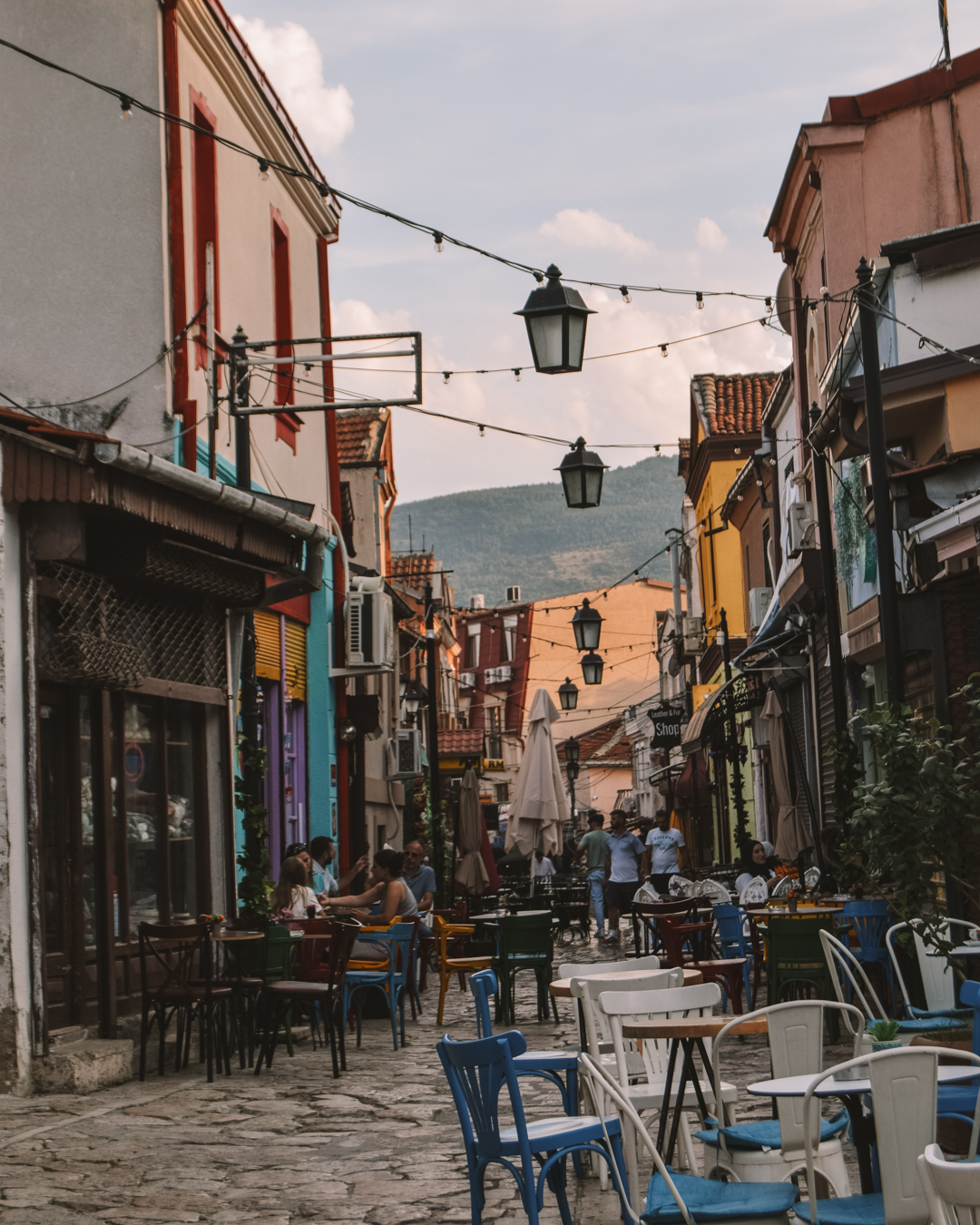
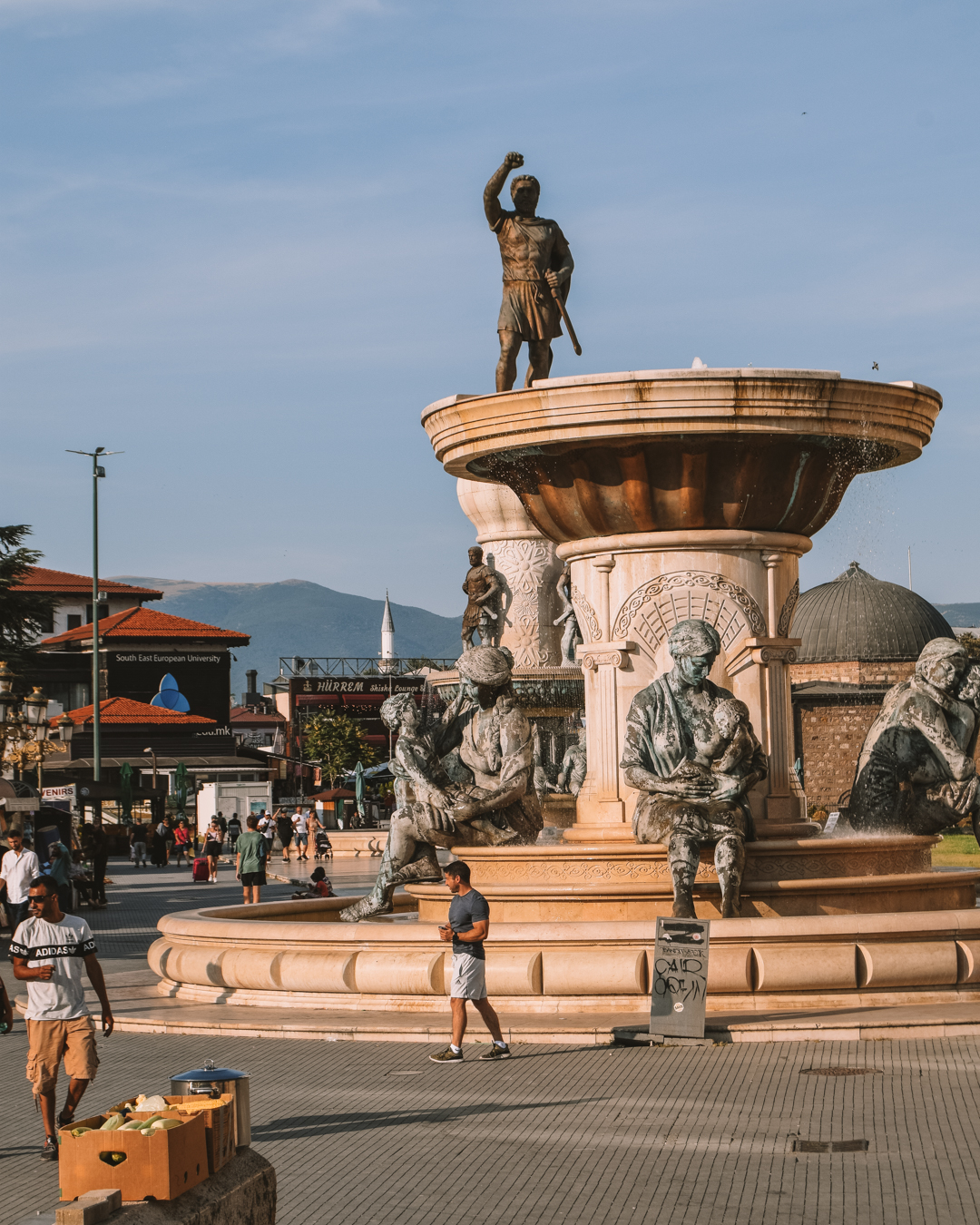
I was SO surprised by Skopje, in North Macedonia. Skopje is one of the most interesting and overlooked capitals in Europe, known for its mix of Ottoman history, unusual architecture (with over 284 statues!), affordable prices and history. There are plenty of things to do in Skopje. The Old Bazaar is the heart of the city and one of the oldest marketplaces in the Balkans, filled with traditional cafés, bakeries and artisan shops.
Don’t miss a walk across the iconic Stone Bridge, which connects the Old Town with the modern city centre, or a visit to Mount Vodno to see the Millennium Cross and enjoy panoramic views over Skopje. If you have time, Matka Canyon is just a short drive from the city and is one of the most beautiful places to visit in the country. If you’re wondering if Skopje is worth visiting, then the answer is without a doubt – yes!
What is the best time to visit Skopje?
The best time to visit Skopje is from April to June or September to October, when the weather is warm but not too hot for sightseeing. Summer can reach over 30°C, so spring and autumn are ideal if you want to explore comfortably. I visited Skopje in August, and can confirm it was boiling.
Where to stay in Skopje?
There are plenty of affordable hotels in Skopje, but the most popular areas to stay are near the City Centre or close to the Old Bazaar (this is where I stayed), so you can walk to most attractions. For comfort and location, look at hotels such as Bushido Boutique Hotel, Hotel Alexandar Square, or Bushi Resort & SPA – a very budget-friendly 5-star hotel in the Old Bazaar.
How long should you spend in Skopje?
Skopje is ideal for a one- to two-night stay. One day is enough to see the city centre, Old Bazaar and main landmarks, but two nights give you enough time to add Matka Canyon – which I couldn’t recommend more! (more on that on number 4!).
How to get to Skopje?
To reach Skopje, you can fly into Skopje International Airport (SKP), which has regular routes from across Europe operated by low-cost airlines. From the airport, you can take a taxi (around 20–25 minutes) or the official airport shuttle bus, which goes directly to Skopje city centre.
If you’re travelling from nearby countries, buses run frequently from Sofia, Pristina, and Skopje. I caught an overnight bus from Croatia to Skopje, which was a great way to travel across Europe.
3. Piva Canyon, Montenegro
Piva Canyon is one of the most underrated natural places in Montenegro, and honestly, one of the most beautiful canyons I’ve visited in Europe.
Located in the north of the country, this emerald-green river winds through dramatic cliffs and looks almost unreal on a sunny day. If you’re planning a Balkan road trip, this is one place you’ll want to add immediately.
One of the best ways to explore the canyon is just by driving along the Piva Canyon Road, which has countless tunnels carved into the rock and viewpoints overlooking the water. If you’re into adventure, you can go rafting on the Piva River or visit the Mratinje Dam, one of the tallest in Europe.
Piva Canyon is also a great base for exploring Durmitor National Park, which is just next door and home to Black Lake (which I wrote about in Part 1!), the Tara Canyon and some of the best hiking trails in Montenegro. I went on a little road trip through Bosnia and Herzegovina and Montenegro and visited Piva Canyon after Black Lake, which made for a beautiful few days.


What is the best time to visit Piva Canyon?
The best time to visit Piva Canyon is from June to September, when the weather is warm, the river is at its brightest turquoise colour, and the roads are fully open. Spring and autumn are also lovely if you want fewer crowds and cooler temperatures.
I visited in the Spring, and had really lovely weather, but of course, this can be a bit more hit and miss.
Where to stay near Piva Canyon?
Most people stay in or around Plužine, the closest town to the canyon. A popular choice includes Etno Village Zvoni, which offers gorgeous views and easy access to the canyon and Durmitor National Park. If you prefer something more remote, you’ll find plenty of mountain cabins and eco-lodges in the area. Of course, if you’re just driving through (which is what I did), then you don’t need to stay overnight in Piva.
How long should you spend in Piva Canyon?
You only need half a day to drive the canyon or enjoy a viewpoint stop, but I’d recommend one night if you want to visit nearby Durmitor, Black Lake or do rafting on the river.
How to get to Piva Canyon?
To reach Piva Canyon, the easiest way is by car, especially if you’re travelling from Podgorica, Kotor, or Zabljak. The drive from Podgorica takes around 2.5 hours, and from Kotor around 3 hours. Public transport to this region is limited, so a car provides much more flexibility to stop at viewpoints along the way.
Top Tip: I recommend hiring a car through Discover Cars before you arrive. If you want to travel between Montenegro and Bosnia (which is what I did), keep in mind that you must get prior permission and the green card insurance from your rental company before you leave to be able to take your car across the border. This usually involves an extra fee and is mandatory for crossing the border.
4. Matka Canyon, North Macedonia
Matka Canyon is one of the most beautiful places to visit in North Macedonia and one of the easiest day trips from Skopje. It’s only around a 20–25 minute drive from the city, which makes it the perfect escape if you’re looking for nature, views and something a little more adventurous.
The canyon is known for its turquoise lake, steep rocky cliffs and caves (including Vrelo Cave, which is believed to be one of the deepest underwater caves in the world). The most popular thing to do here is take a boat trip through the canyon, which takes around an hour and is the best way to see the scenery. You can also rent kayaks if you want something a bit more active, or follow one of the walking trails that run along the water.
There are a couple of cafés and restaurants overlooking the canyon, too, so it’s a great spot to spend a few hours, especially if you’re visiting Skopje for a short time.


What is the best time to visit Matka Canyon?
The best time to visit Matka Canyon is from April to October, when the weather is warm, and the boats and kayaks are running regularly. Avoid the middle of the day in peak summer, as the heat is strong and shade is limited. Early morning is the quietest time to go.
How long should you spend at Matka Canyon?
You only need 2- 4 hours at Matka Canyon, depending on whether you take a boat trip, kayak, or walk one of the trails. It’s perfect as a half-day trip from Skopje.
Where to stay when visiting Matka Canyon?
Most people stay in Skopje and visit Matka Canyon as a day trip. Stay near the City Centre or Old Bazaar so you can easily access transport options and explore Skopje in the evening (I stayed in the Old Bazaar and loved it).
How to get to Matka Canyon?
The easiest way to get to Matka Canyon is by taxi, which takes around 20–25 minutes from the Skopje city centre and is very affordable. There is a local bus, but it’s not the most reliable, so I recommend a taxi or an organised transfer. If you’re renting a car, there is a small car park near the entrance, but it fills up quickly in peak season.
5. Vaduz, Liechtenstein
Vaduz in Liechtenstein is one of the most underrated capitals in Europe and a perfect addition to any hidden gems in Europe itinerary. It’s small, quiet and surrounded by the gorgeous mountain ranges that straddle Switzerland and Liechtenstein. Most people visit on a day trip, but I recommend spending at least one night in Liechtenstein so that you can explore more than just one spot and really get a feel for the tiny country – starting in Vaduz.
The main highlight is Vaduz Castle, which looks over the city, and while you can’t go inside (it’s the Prince’s residence), the viewpoint is well worth the walk. The Old Town is compact and easy to explore on foot, with museums, cafés and scenic riverside paths. Vaduz is ideal if you love scenic drives, hikes and peaceful Alpine towns without the crowds that nearby Switzerland and Italy bring.
Top Tip: Keep in mind that prices are similar to those in Switzerland, and it’s certainly not a budget-friendly destination.

What is the best time to visit Vaduz?
The best time to visit Vaduz is from June to September, when the weather is warm and perfect for hiking. December is also a lovely option, with Christmas markets, snowy peaks and a really cosy winter atmosphere.
Where to stay in Vaduz?
For the best views, Park Hotel Sonnenhof is a wonderful choice if you’re looking for something a bit luxurious, while Hotel Vaduzerhof offers a great mid-range option in the centre.
How long should I spend in Vaduz?
One night is enough for the capital, but two nights are better if you want to explore nearby mountains or visit Stausee Steg, which I highly recommend.
How to get to Vaduz:
Fly into Zurich, take the train to Sargans, then hop on the bus to Vaduz. The whole journey is straightforward and takes roughly an hour.
6. Belgrade, Serbia
Belgrade is one of the most underrated cities in Europe, boasting a wealth of vibrant, historic architecture. It’s incredibly affordable and full of things to do. If you’re looking for an alternative to popular European cities that still offer culture, nightlife, and amazing food, Belgrade should be on your list.
Start in the Belgrade Fortress, overlooking the confluence of the Danube and Sava Rivers. It’s one of the best viewpoints in the city, and, even better, it is free to visit. The lively neighbourhoods of Dorćol and Skadarlija are perfect for cafés, traditional restaurants, and visiting the local shops. Belgrade is also known for its nightlife, floating river bars, and street markets, all without tourist crowds like other spots in Europe.
I visited previously on an Interrail trip through Europe and was blown away by the architecture and atmosphere.

What is the best time to visit Belgrade?
April-June and September-October. Summer is fun, but very hot. Everything is open, and there’s a great atmosphere. In contrast, winter can be very cold.
Where to stay in Belgrade?
Dorćol and Stari Grad (Belgrade’s Old Town) are the best areas to stay if you want to be close to the city’s main attractions, cafés and nightlife. Dorćol is renowned for its trendy restaurants and creative atmosphere, while Stari Grad offers historic streets, riverside views and easy access to Kalemegdan Fortress. Top-rated hotels in these neighbourhoods include Hotel Moskva, Public House Hotel and Mama Shelter, all offering great locations and excellent value for exploring Belgrade.
How long should you spend in Belgrade?
Two nights are perfect for seeing the highlights. Three gives you time for Novi Sad or Avala Tower.
How to get to Belgrade?
Fly into Belgrade Nikola Tesla Airport (BEG). Buses and taxis run into the city centre in 20–25 minutes.
7. Troodos Mountains, Cyprus
If you think Cyprus is all beaches, the Troodos Mountains will surprise you. This region is one of the best hidden gems in Europe, home to cooler temperatures, traditional stone villages, scenic hiking trails and UNESCO-listed monasteries.
I spent my 30th birthday in the Troodos Mountains wine tasting, and it was perfect; the views were gorgeous, and there was hardly anyone else around. You can read more about it in my 4-day itinerary in Cyprus.
The mountain roads take you through some of the prettiest little villages in Cyprus, including Omodos, Platres, and Kakopetria, each filled with cafés, wineries, and local shops. The area is also home to Mount Olympus (no, not the Greek one!), plus waterfalls like Millomeris and Caledonia Falls. It’s peaceful, authentic and a great alternative to Cyprus’s beach towns.
You can easily come here on a day trip or spend a long weekend here exploring the gorgeous mountains.

What is the best time to visit the Troodos Mountains?
Spring and autumn are ideal for hiking. Summer is cooler than the coast, and winter sometimes brings snow. I actually visited in November, and it was lovely and warm; however, I don’t think that this is the norm, but you can get lucky.
Where to stay in the Troodos Mountains?
Stay in Omodos or Platres for a central base in the Troodos Mountains so that you can explore easily without having to travel. Options include the gorgeous Aphrodite Stone Apartments and the Pendeli Hotel.
How long should you spend in the Troodos Mountains?
One to two nights is perfect if you want to explore villages and go on a couple of hikes throughout the area.
How to get to the Troodos Mountains:
Fly to Larnaca or Paphos Airport, then rent a car from there. Public transport is limited, so driving is the easiest option. Taxis are also expensive.
8. The Jurassic Coast, Dorset
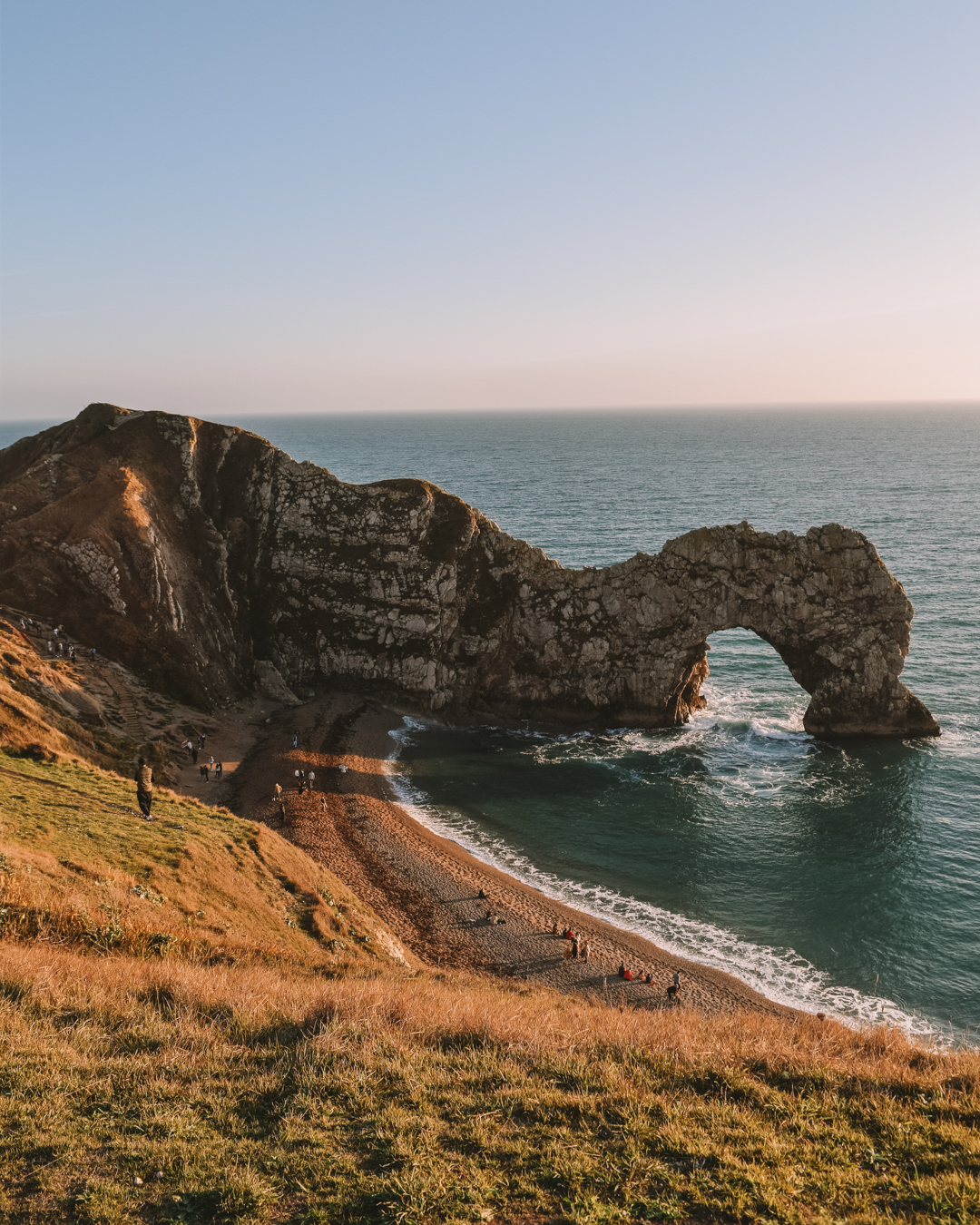
Dorset is where I’m from, so I’m definitely biased, but the Jurassic Coast is one of the UK’s most beautiful and underrated places in England and the whole of Europe – known for dramatic cliffs, natural arches, turquoise waters, and fossil hunting. It’s a perfect hidden gem for travellers who want nature without leaving England.
Top spots include Durdle Door, Lulworth Cove, Old Harry Rocks, and West Bay Cliffs. The walks are incredible, especially the South West Coast Path, and there are plenty of quiet coves for swimming in summer.
The Jurassic Coast is truly one of the most gorgeous places in England.

What is the best time to visit the Jurassic Coast?
The spring (April – early June) is perfect for visiting the Jurassic Coast. While it’s beautiful in the summer and perfect for swimming in the sea, it can get extremely busy, so I recommend avoiding it during peak season.
Dorset also comes alive in Autumn with beautiful colours and quiet trails.
Where to stay on the Jurassic Coast?
Lulworth, Swanage, and Weymouth are the most convenient bases. There are plenty of cute Airbnbs. I’ve put together my favourite Airbnbs in Dorset here, full of unique spots such as cabins and treehouses.
How long should you spend?
At least two nights is ideal to spend in Dorset and along the Jurassic Coast. Any less time and you’ll only get to see one of two
How to get there?
The drive from London takes around 2 to 3 hours, depending on which part of the Jurassic Coast you’re travelling to. Trains and buses also run to Weymouth and Poole, which are main hubs for visiting the Jurassic Coast.
9. Hochkönig Region, Austria
The Hochkönig Region is one of Austria’s most underrated mountain regions; it’s quieter than popular nearby Hallstatt, and more affordable than the major ski resorts, and easily one of the best hidden gems in Europe if you love nature.
The scenery here is spectacular, with the Hochkönig Massif dominating the skyline. In summer, the area is full of wildflower meadows, crystal-clear streams and peaceful hiking trails, including the famous Königsweg, which takes you through some of the most impressive alpine landscapes in Austria. If you love mountain huts, this region has some of the best, perfect for a lunch stop with a stunning view, or a drink at sunset.
The Hochkönig Region is also a great alternative to Austria’s busier alpine areas. You get the same dramatic landscapes and outdoor adventures, but without the crowds or high prices.

Best time to visit Hochkönig
June to September is great for hiking in the summer, and December to March is perfect for skiing and outdoor sports.
Where to stay
Stay in Maria Alm for the best access to lifts, hiking trails and the region’s most beautiful alpine viewpoints. It’s the most convenient base in the Hochkönig area, with a charming village centre, great restaurants and ski-in/ski-out options in winter. For a comfortable and stylish stay, top hotels include Hotel Eder, known for its modern alpine design and lively atmosphere, and Die HOCHKÖNIGIN, a luxury wellness hotel with incredible mountain views, a rooftop spa and easy access to the slopes.
How long to stay
Two–three nights is ideal for exploring the Hochkönig Region, with some time to hike or ski, depending on what you’re after and what season you visit during.
How to get to Hochkönig
To reach the Hochkönig region, fly into Salzburg Airport, then drive or take a bus, which takes approximately 1 hour.
10. Lake Jasna, Slovenia
Lake Jasna is a peaceful and incredibly beautiful alternative to Lake Bled, and one of Slovenia’s top hidden gems (although, really, if you ask me, the whole of Slovenia is a hidden gem). The crystal-clear water, mountain backdrop and quiet atmosphere make it perfect for swimming, relaxing or using as a base for exploring the Julian Alps.
Lake Jasna is a man-made lake, but this doesn’t take away from how beautiful it is.
Jasna really is beautiful. I visited during the summer of 2025 as part of a little road 5-day trip through Slovenia and was blown away by it, and couldn’t believe that I hadn’t seen more about it on social media.
The lake is right next to Kranjska Gora (which is the best place to stay nearby), a small alpine town known for hiking, biking, and winter sports. It’s one of the best underrated destinations in Europe if you love mountains but want somewhere quiet.
The Zelenci Nature Reserve is also just down the road from Lake Jasna, and it is SO worth adding to your itinerary as well; it’s stunning. I went for golden hour hour and it was so peaceful.

Best time to visit Lake Jasna
June – September for swimming and hiking. December–March for winter scenery.
Where to stay
Stay in Kranjska Gora, a little town just a short walk away from Lake Jasna, with a good choice of restaurants and hotels. Popular options include Hotel Špik for a budget-friendly option or Milka Boutique Hotel, a truly stunning hotel; there are also plenty of local guesthouses.
How long to stay at Lake Jasna?
Two nights are perfect for exploring the lake and Vršič Pass. However, one night is also enough if you’re just planning on visiting Lake Jasna. I stayed for one, and this was enough for a slightly hectic day seeing Lake Jasna and Zelenci Nature Reserve
How to get there
Slovenia is small, which makes it very easy to travel around. To reach Lake Jasna, fly into Ljubljana Airport and drive 45 to 60 minutes.
11. Berat, Albania
Berat is one of the most beautiful, underrated cities in Europe, a UNESCO-listed town known as the “City of a Thousand Windows”, with white Ottoman houses stacked along the hillside and views that feel like a real-life painting.
Explore the historic Berat Castle, wander the cobbled streets of Mangalem and Gorica, and enjoy local Albanian food in traditional restaurants overlooking the river. It’s calm, affordable and full of charm, a perfect hidden gem to add to your 2026 Europe itinerary.

Best time to visit Berat
April – June and September – October for warm, comfortable weather without the crowds of peak season.
Where to stay
Stay in Mangalem, the most historic quarter of Berat, to experience the city’s traditional Ottoman architecture and classic white stone houses. It’s the best area for wandering cobbled streets, enjoying local cafés and staying close to Berat Castle. Popular hotels in this neighbourhood include Hotel Mangalemi, known for its authentic design and warm hospitality, and Beratino Hotel, which offers comfortable rooms with beautiful hillside views.
How long to stay
One to two nights is an ideal amount of time to spend in Berat. It’s a great place to add to other destinations.
How to get there
Fly to Tirana Airport, then drive 1.5 hours to Berat. Public transport exists in Albania, but be prepared for it to be a slightly bumpy and potentially chaotic journey.
Final thoughts on 11 hidden gems in Europe that you can’t miss: Part 2
From the fairy tale-like city of Vaduz in Liechtenstein, to the underrated mountains hidden on the island of Cyprus, to the stunning Jurassic Coast in Dorset, England. Home to 1000’s of years of history and incredible views.
I hope that this guide on hidden gems in Europe will help you decide where to travel in 2026 and beyond.
It’s so important to remember that Europe is so much more than the classic spots like Paris or Rome (although they’re great too). But the magic often lies in the places you don’t hear about as much, the quiet towns, the mountain lakes, the affordable cities and landscapes that surprise you from the moment you arrive.
These hidden gems deserve a spot on your travel list just as much as the big names, and in many cases, even more so.
Whether you’re planning a summer road trip, a winter escape, or a weekend break somewhere new, I hope this list inspires you to explore the Europe that most people overlook. Here’s to discovering new favourites, finding places that feel special simply because they’re not packed with tourists, and making memories in destinations you’ll want to return to again and again.
If you haven’t already, don’t forget to check out Part 1 for even more underrated places to add to your 2026 bucket list.
