11 Hidden Gems in Europe You Can’t Miss in 2026: Part 1
Looking for hidden gems in Europe and underrated European cities that aren’t crowded with tourists? You’re in the right place. I’ve personally travelled to 87 countries, and these 11 destinations in Europe are some of the most underrated places to visit that travellers often overlook.
Discovering hidden gems in Europe is one of my favourite parts of travelling. The world is far too packed with beautiful places for us all to visit the same spots, time and time again, when there are so many other just waiting to be explored.
From the gorgeous city of Mostar in Bosnia and Herzegovina to the stunning Lake Ohrid in North Macedonia and the alpine lake of Stausee Steg in Liechtenstein. This guide covers destinations that combine culture, nature, and authentic European experiences without the crowds.
If you want to explore Europe beyond the usual tourist spots, keep reading for my top 11 hidden gems in Europe, perfect for 2026 travel planning.
If you’re looking for even more inspiration, read part two of my 11 secret European spots you can’t miss here!

This post contains affiliate links. If you make a purchase using one of these links, then I may receive a small commission at no extra cost to you. I really appreciate your support, as this is how I keep my content free <3
1. Lake Bohinj, Slovenia
Lake Bohinj is one of my favourite spots in Europe and one of the most underrated places in Slovenia. I’m usually quite a fast-paced traveller (I know, I know), but I spent 5 days in Lake Bohinj and really got to know the area and all the incredible spots on offer here, and absolutely fell in love with it.
Just a 30-minute drive from the popular Lake Bled, Lake Bohinj is far more underrated (and in my opinion, just as beautiful) with fewer crowds, lower prices, and stunning scenery and unforgettable hiking trails.
I recommend spending at least 3 days here. Visit the gorgeous double waterfall: Slap Savica, walk around Lake Bohinj (which is 12 km in total), Mostinica Gorge and Vogel Ski resort.
There are so many gorgeous spots to stay around Lake Bohinj. To help you decide, I’ve written a handy guide reviewing all of the spots I stayed and some others that I recommend.

What is the best time to visit Lake Bohinj?
The best time to visit is June – September for hiking and lake days, but autumn is also gorgeous.
Where to stay in Bohinj?
I wrote a whole blog post on where to stay in Lake Bohinj, which you can read here. But the short answer is Hotel Bohinj. It’s a stunning spa hotel, right on the shores of Lake Bohinj and is home to an incredible restaurant.
How long should you spend in Bohinj?
I recommend spending at least two nights in Bohinj (I actually spent 5 here and loved it), but two is the minimum to be able to see a few highlights.
How to get to Bohinj?
To get to Bohinj, fly into Ljubljana Airport, and then take either a taxi or public bus to Bohinj. The journey takes approximately 50 minutes and goes via Lake Bled.
2. Stausee Steg, Liechtenstein
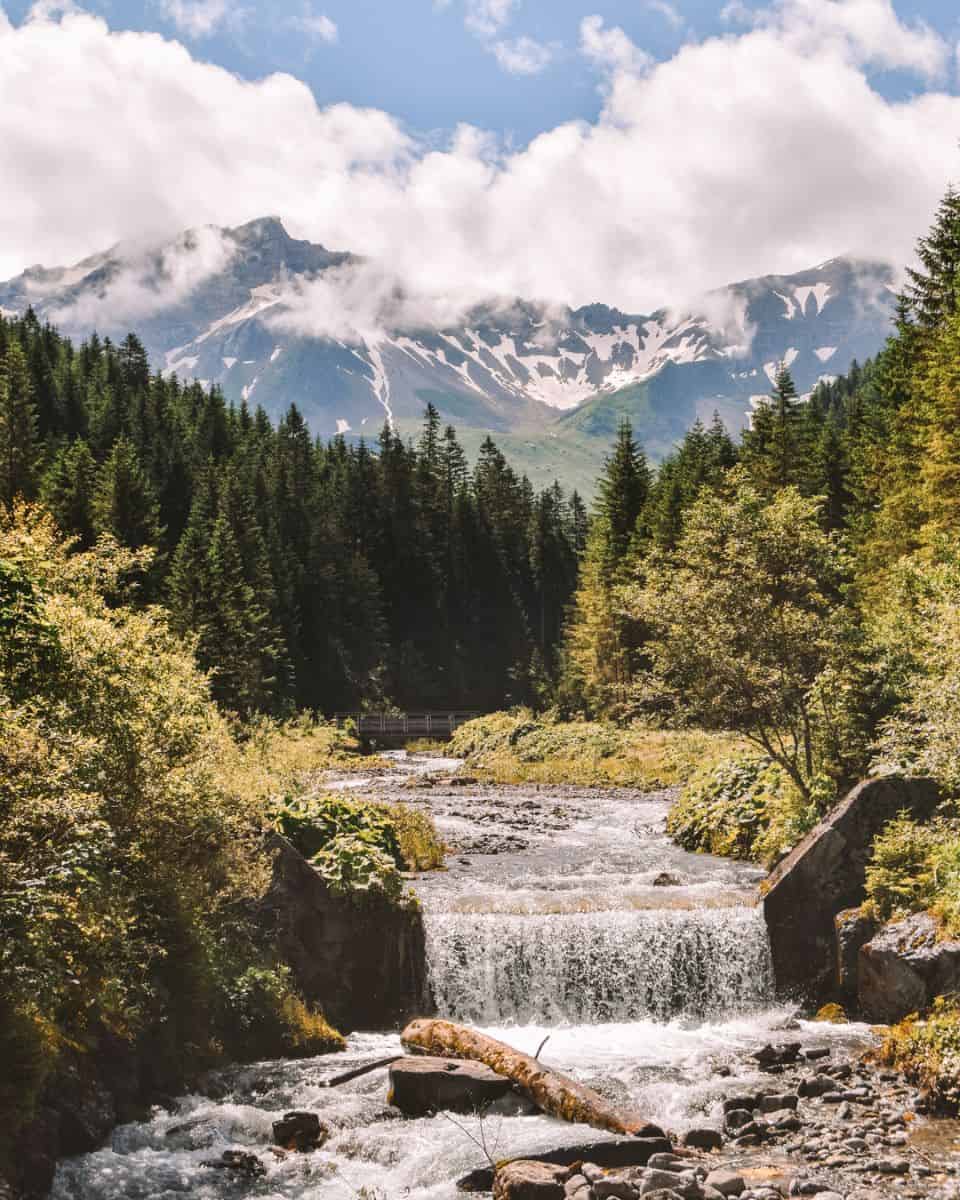
Stausee Steg is a hidden gem in Liechtenstein and one of Europe’s most underrated alpine lakes. Honestly, I’ll never stop recommending it as one of the most underrated places that I’ve been to in Europe. The country of Liechtenstein is the second least-visited country in Europe, and when most visitors go, they usually stick to the main towns. So this stunning lake really is a hidden gem and one of the most underrated places in Europe.
Stausee Steg is a gorgeous alpine lake, backed by snow-capped mountains in one direction and lush forests in the other.
If you want to combine Stausee Steg with Vaduz, then the drive between the two takes about 20 minutes.

What is the best time to visit Stausee Steg?
June to September is ideal, especially if you want clear trails, bright turquoise water and those dreamy alpine views. Autumn is also beautiful if you’re looking for quieter trails and golden colours.
Where to stay near Stausee Steg?
Most people stay in Triesenberg or Vaduz, both of which are close by. For a gorgeous mountain stay, Hotel Turna Malbun is a great pick with spa facilities and cosy interiors. If you visit with a campervan, you can also park nearby and wake up to have Stausee Steg all to yourself the next morning (this is what we did, and it was magical).
How long should you spend in the area?
One night is enough to visit the lake and enjoy some nearby trails, but if you love hiking, I’d do two.
How to get to Stausee Steg?
Fly into Zurich, take the train to Sargans, then a bus into Liechtenstein. From Vaduz, Stausee Steg is around 20 minutes by car or bus. You can also drive across the border from Switzerland to Liechtenstein through the Alps.
3. Lake Ohrid, North Macedonia
Lake Ohrid is one of Europe’s most underrated lakes and has become a popular destination for Macedonian locals to visit in recent years. However, it is still largely underrated by tourists from other countries, which is such a mistake!
Lake Ohrid is one of the deepest and oldest lakes in the world, and straddles Macedonia and Albania. You can visit Ohrid’s Fortress, take a stroll along Ohrid’s boardwalk, relax on one of the tiny beaches or visit the extremely picturesque Church of Saint John the Theologian.
I recommend spending at least 2 nights here; there’s a surprising amount to see and do if you can drag yourself away from the beautiful restaurant and bars. It’s a perfect spot for travellers who want hidden gems in Europe off the beaten path.


What is the best time to visit Lake Ohrid?
Late May to October is perfect for warm days, swimming, and exploring the Old Town. July and August are the busiest, so go shoulder season if you prefer it quieter.
Where to stay in Ohrid?
Stay in or near Old Town for the charm, sunsets and easy access to the lake. Villa Afrodita Lake View is a stunning boutique option.
How long should you spend in Ohrid?
Two to three nights is ideal, enough time to explore the monasteries, beaches and lakeside villages.
How to get to Ohrid?
Fly directly into Ohrid Airport if possible, or fly to Skopje and take a 3-hour bus or drive. I took the bus, and this was very straightforward, albeit a little bumpy in places.
4. Mostar, Bosnia and Herzegovina
Mostar is one of Bosnia and Herzegovina’s hidden gems and a must-see for travellers exploring underrated European cities. It is one of my favourite cities in Europe. It’s not only an ideal place to base yourself in, so that you can visit some of the other incredible places in Bosnia (such as Blagaj Tekke – a gorgeous monastery and Kravica Waterfall that you can even swim in).
But that’s not all that Mostar offers.
One of the main highlights is watching the local divers jump off Stari Most. You’ll usually find them there throughout the day, and it’s worth stopping to see. People give the jumpers money, and once they reach a certain amount, they’ll jump. It’s one of the most iconic and fun things to do in Mostar.
The cobbled Old Town is easy to explore on foot, and you’ll find plenty of cafés and restaurants with views over the river. URBAN taste of Orient is a popular choice with a terrace overlooking the water, perfect for a lunch stop or a break from the heat. I enjoyed a gorgeous meal here, finished with lavender ice cream and baklava. While it’s a bit more expensive than some of the other restaurants and cafes, it’s worth it for the views and atmosphere.
Mostar is compact, walkable, and ideal for a one- or two-night stay, especially if you’re planning day trips. It’s the kind of place that fits easily into a Bosnia itinerary but still gives you enough to do without rushing.


What is the best time to visit Mostar?
Spring and autumn are perfect, warm but not too hot, and much quieter than the peak summer months. We visited in the spring, and it was perfect!
Where to stay in Mostar?
Choose a boutique guesthouse near the Old Bridge for the full experience. Hotel Sinan Han is a beautiful option right in the Old Town centre.
How long should you spend in Mostar?
One night is enough for the highlights, but two nights let you experience golden hour on the bridge and wander without the crowds.
How to get to Mostar?
You can fly into Sarajevo or Dubrovnik and take a scenic bus or drive (2–3 hours).
5. Black Lake, Montenegro
Black Lake (Crno Jezero) is one of Montenegro’s most underrated natural gems and is perfect for those exploring hidden gems in Europe. It’s well worth adding to your itinerary if you’re heading to the north of the country. Located in Durmitor National Park, it offers easy hiking trails, dense forests, and mountain views.
The lake is made up of two interconnected lakes, surrounded by dense forest and mountain peaks, making it an easy and scenic place to explore. There’s a well-marked walking trail that loops around the whole lake, and it takes around 1- 1.5 hours depending on how many photo stops you make (which, if you’re anything like me, will be a lot). It’s an easy route suitable for most people, and the views are gorgeous from every angle.
There are a couple of cafés and restaurants near the entrance to the trail, including Restaurant Nacionalni Restoran (which has gorgeous lake views!) and outdoor seating. It’s a nice spot to stop for a drink or a quick lunch before or after your walk. If you visit in the summer, you can also rent a small rowboat on the lake, which gives you a completely different perspective of the scenery.
Black Lake is conveniently located in the town of Žabljak, making it an ideal spot for a day trip or as part of a longer stay in Durmitor. I spent two nights in Žabljak, which was the perfect amount of time here to explore.


What is the best time to visit Black Lake?
June to September for the clearest weather and hiking, but if you love autumn colours, October is magical.
Where to stay near Black Lake?
Stay in Žabljak, the closest town. Hotel Soa is a favourite for comfort and great food.
How long should you spend in the area?
Two nights are ideal to explore the lake and hike in Durmitor National Park.
How to get to Black Lake?
Fly into Podgorica or Tivat, rent a car, and expect a 2–3 hour mountain drive to Žabljak.
6. Tatra Mountains, Slovakia
I don’t often return to places, but I’ve visited the Tatra Mountains, Slovakia, twice now, and I’d happily go back for a third time. The Tatra Mountains straddle Slovakia and Poland, offering stunning alpine landscapes and underrated European hiking trails with high peaks and lower lake walks, perfect for any type of hiker.
You can easily travel between the mountain towns using the electric railway (making it extremely easy to travel between), food is very budget-friendly, tasty and hearty, and the views are just gorgeous.
If you’re travelling from the UK, flights always seem to be incredibly budget-friendly, and I’ve got mine for as low as £30 return from London to Poprad!
If you’re looking for a place to stay in the Tatra Mountains, then I’ve written a full guide on it that you can read here.


What is the best time to visit the Tatra Mountains?
June to September for hiking. Winter (December–March) is great for skiing and snowy landscapes.
Where to stay in the Tatras?
Base yourself in Štrbské Pleso or Tatranská Lomnica, both are scenic and well-connected to the rest of the Tatra Mountains. I’ve written a full guide on where to stay in the Tatra Mountains to help you decide!
How long should you spend in the Tatras?
Two to three nights give you time to enjoy a few trails and viewpoints. I stayed three nights the first time I visited and four the second.
How to get there?
Fly into Kraków or Poprad-Tatry Airport. From the airport, I suggest catching a local taxi and then from Poprad, local trains connect you directly to the mountain towns.
7. Dinant, Belgium
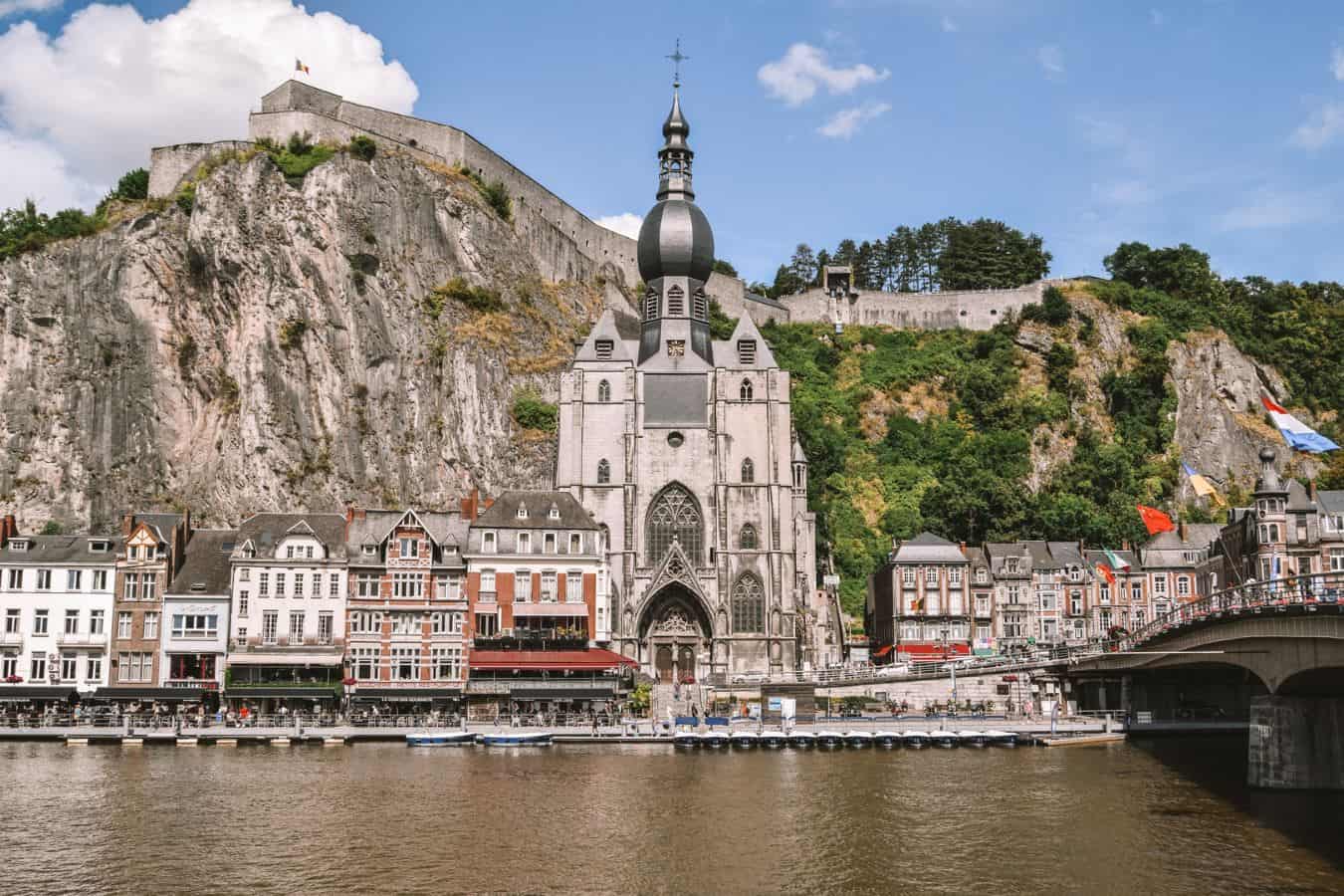
Dinant is one of Belgium’s underrated towns and a great alternative to the busy tourist spots. Dinant. It’s perfect for a day trip or a quick overnight stay. It’s small, but so beautiful. It sits along the Meuse River, surrounded by dramatic cliffs, and it’s an ideal base if you want to explore the Ardennes region.
One of the main highlights is visiting the Citadel of Dinant. You can either walk up the steep steps or take the cable car for views over the river and town. Once you’re at the top, the views are worth every bit of effort, and the history inside the fortress gives a fascinating glimpse into the area’s past.
The town itself is compact and easy to explore on foot. You’ll find colourful riverside buildings, small shops, and cafés lining the water. For a meal with a view, Le Jardin de Fiorine has a terrace overlooking the river, perfect for a relaxing lunch or coffee stop. I tried the local speciality, Couque de Dinant, a crunchy caramelised biscuit, and it’s a must if you’re wandering the town.
Dinant is small but full of charm, and it’s easy to combine with other nearby spots in the Ardennes. Even a short visit gives you a good mix of history, scenery, and delicious Belgian treats.
What is the best time to visit Dinant?
April to October is best for enjoying the gorgeous river views, sitting on the outside terraces, and exploring the citadel.
Where to stay in Dinant?
Stay along the Meuse River for the postcard views. La Merveilleuse by Infiniti Resorts is a lovely option.
How long should you spend in Dinant?
One night is enough, but two gives you time for nearby castles and river cruises.
How to get to Dinant?
Dinant is an easy 1.5-hour train ride from Brussels.
8. Tbilisi, Georgia
Although Georgia is on the border with Asia, it is still considered a European country, if you’re wondering why it’s on a list of hidden gems in Europe.
Tbilisi may sit on the edge of Europe, but it’s one of Europe’s most underrated capitals and a place that really surprised me. I don’t know what I was expecting, but it certainly wasn’t such a quirky, picturesque city. Known for its scenic landscapes and picturesque charm, it’s an underrated spot in Europe that you can’t miss!
The Old Town is full of winding streets and colourful buildings.
Don’t miss the Clock Tower on Ioane Shavteli Street and the Holy Trinity Cathedral, too!


What is the best time to visit Tbilisi?
Spring (April–June) and autumn (September–October) offer perfect temperatures and fewer crowds.
Where to stay in Tbilisi?
Stay in Sololaki or Old Town for cafés, vintage architecture and easy exploring. Stamba Hotel is a top pick for design lovers. It’s truly gorgeous!
How long should you spend in Tbilisi?
Three nights are perfect to explore the neighbourhoods, sulphur baths, and day trips.
How to get to Tbilisi?
Fly directly into Tbilisi International Airport, and the city centre is around 20 minutes away by taxi.
9. Riga, Latvia
Riga is one of Europe’s most underrated capitals, and it’s a great place to base yourself if you want to explore more of Latvia.
The city is easy to get around on foot, and its compact Old Town is filled with colourful buildings, market squares, and plenty of places to stop for a coffee or quick lunch. One of the main things to do in Riga is to visit the House of the Blackheads, which is one of the city’s most photographed spots. It’s right in the centre and easy to combine with a wander through the Old Town.
If you’re looking for a good viewpoint, head up the tower at St Peter’s Church for panoramic views over the rooftops; it’s one of the best ways to get a feel for how pretty the city is. For food, Folkklubs ALA Pagrabs is a popular option for traditional Latvian dishes in a cosy underground setting, and it’s a great spot for an evening meal.
Riga works well for a one- or two-night stay and is especially good if you enjoy mixing culture, food, and relaxed city exploring without rushing around.

What is the best time to visit Riga?
May to September is ideal for warm days, outdoor markets and exploring the Old Town. December is beautiful if you want Christmas markets.
Where to stay in Riga?
Old Town is the most atmospheric area. Grand Poet Hotel and Neiburgs Hotel are both gorgeous options.
How long should you spend in Riga?
Two nights give you time for the Old Town, Art Nouveau district, and riverfront walk.
How to get to Riga?
Fly into Riga International Airport, and the city centre is just a 15-minute taxi ride away.
10. The Black Sea Coast, Romania
Romania’s Black Sea Coast is one of Europe’s least touristy beach destinations, perfect for travellers seeking underrated coastal escapes that are far quieter and a more affordable alternative to the busier Mediterranean spots.
The main base is Constanța, a relaxed seaside city with a long promenade, plenty of beachfront restaurants, and easy access to nearby beaches. One of the top things to do is visit the abandoned Constanța Casino; it’s closed, but you can walk around the outside, and the views over the sea are worth the stop.
If you want a calmer beach day, head south to Tuzla Beach or Vadu Beach, which are much quieter than the main resorts and ideal if you prefer wide, open stretches of sand. For something livelier, Mamaia has beach bars, clubs, and a more built-up feel. It’s easy to spend a day hopping between beaches, and everything is reachable by car or taxi.
The Black Sea Coast works well as a short summer stop, especially if you’re combining it with Bucharest or a wider Romania itinerary. It’s budget-friendly, easy to get around, and offers a simple mix of beaches, food, and relaxed seaside towns without the crowds.

What is the best time to visit the Black Sea Coast?
June to early September for warm weather and beach days. If you prefer it quieter, aim for June or early September.
Where to stay on the Black Sea Coast?
For something peaceful, choose Vama Veche or Eforie Nord. For a more lively town, Constanța is your best base. The Black Sea Vibe Retreat is a beautiful, modern option.
How long should you spend on the coast?
Two to three nights is perfect for a beach break or exploring the coastal towns.
How to get there?
Fly into Bucharest and take a train or drive to Constanța (about 2–2.5 hours).
11. Luxembourg City, Luxembourg
Luxembourg is the world’s last remaining grand duchy (meaning it’s ruled by a Monarch), which immediately makes it a cool place to visit in my opinion.
It has a vibrant, modern culture and is filled with picturesque cafes and bars. It’s also home to a UNESCO World Heritage site, which includes the Bock Casemates, a network of underground tunnels and fortifications that once formed the heart of the city’s “Gibraltar of the North” stronghold. Other spots to visit include the Vianden Castle and the Notre-Dame Cathedral.
It’s also a great place to visit at Christmas for its Christmas markets!
It is also the first country in the world to offer completely free public transportation (!!). Just another reason to plan a visit to this hidden gem in Europe.


What is the best time to visit Luxembourg City?
Spring and autumn are perfect for city walks, viewpoints and castles. Summer is also lovely.
Where to stay in Luxembourg City?
Stay near the Old Town or the Grund for easy exploring. Hotel Parc Beaux-Arts is a great boutique choice.
How long should you spend here?
One to two nights is enough to see the highlights and enjoy the old fortifications.
How to get to Luxembourg City?
Fly into Luxembourg Airport or take direct trains from Paris, Brussels and Cologne. Luxembourg is also perfect to combine with nearby Dinant, if you’re looking to double up on the number of hidden gems in Europe that you visit. I visited as part of a 2-week road trip through Europe.
Frequently Asked Questions on Europe’s Hidden Gems (FAQs)
There isn’t just one most underrated destination in Europe, because so many countries don’t get the recognition they truly deserve. Liechtenstein is a perfect example, with its incredible scenery, fairytale towns and unforgettable hikes.
Bosnia and Herzegovina is another standout, offering everything from historic cities to waterfalls and wild, beautiful nature. And Slovenia has some of the most breathtaking landscapes I’ve ever seen, all within a few hours of each other. So, rather than one most underrated destination, Europe is full of hidden gems… far too many to pick just one!
Some of the cheapest hidden gems in Europe can be found in the Balkans and Eastern Europe. Destinations like Mostar (Bosnia & Herzegovina), Ohrid (North Macedonia), Tbilisi (Georgia) and the Black Sea Coast in Romania offer stunning landscapes, historic old towns, and delicious food at some of the lowest travel costs in Europe.
These regions are ideal if you want to stretch your budget without compromising on experience.
If you love the charm of Europe’s big-name cities but want something quieter (and often cheaper), try these alternatives:
Instead of Prague, visit Riga, Latvia
Instead of Vienna, try Luxembourg City
Instead of Budapest, explore Tbilisi, Georgia
Instead of Interlaken, head to Lake Bohinj or the Tatra Mountains
These destinations offer the same architecture, scenery or culture you’re looking for, just without the overwhelming crowds and prices.
One of the least touristy countries in Europe is Moldova (which is the least visited country in Europe!), followed by Liechtenstein and then closely followed by North Macedonia, Bosnia & Herzegovina, and Slovakia.
These countries see far fewer international visitors, yet they offer incredible landscapes, rich history, and authentic local experiences. They’re ideal for travellers who want to avoid over-tourism and explore Europe’s quieter side.
Final thoughts on 11 hidden gems in Europe
There you have it, the 11 underrated places in Europe that you really can’t miss.
I hope that I’ve provided you with some travel inspiration for 2026 and beyond, and I’ve inspired you to travel beyond the traditional tourist hot spots.
From the gorgeous blue lake hidden in the Liechtenstein Alps, to one of the most underrated European cities: Tbilisi, Georgie. Europe has countless hidden gems waiting to be discovered, far beyond the usual tourist trail.
Read part two of 11 Hidden Gems in Europe You Can’t Miss in 2026 here! – Coming soon
